
In today’s digital-first world, where millions of apps compete for attention, App Store Optimization (ASO) has become a critical strategy for app success. Just like websites rely on Search Engine Optimization (SEO) to attract traffic, apps need ASO to climb the rankings in app stores like Google Play and the Apple App Store.
If you’ve ever wondered why some apps dominate search results while others remain invisible, the answer often lies in ASO. It’s the art and science of making your app more discoverable, appealing, and downloadable — without spending a fortune on ads. In this guide, we’ll explore everything you need to know about App Store Optimization, from keyword strategies to creative visuals, and how to turn store visitors into loyal users.
What Is App Store Optimization (ASO)?
App Store Optimization (ASO) refers to the process of improving an app’s visibility and ranking in app stores to increase organic downloads. It’s similar to SEO but focuses on optimizing your app’s metadata, visuals, and user engagement signals to improve discoverability and conversion rates.
Key Goals of ASO:
- Improve app visibility in search results
- Increase organic downloads
- Enhance conversion rates (turning views into installs)
- Boost user engagement and retention
- Lower cost per acquisition (CPA)
In essence, ASO ensures that your app not only gets found but also gets downloaded and loved.
Why App Store Optimization Matters in 2025
The mobile app industry is exploding. With over 5 million apps available across stores, competition is fierce. Without proper optimization, even the best app can go unnoticed.
Here’s why ASO is essential today:
FactorWithout ASOWith ASOVisibilityLost among competitorsHigher ranking and exposureDownloadsLow and inconsistentSteady organic growthUser TrustWeak presenceProfessional and credibleROIHigh ad spendCost-effective growth
In 2025, user acquisition costs continue to rise. That’s why ASO is a long-term, cost-efficient growth strategy that delivers continuous returns.
How App Store Algorithms Work
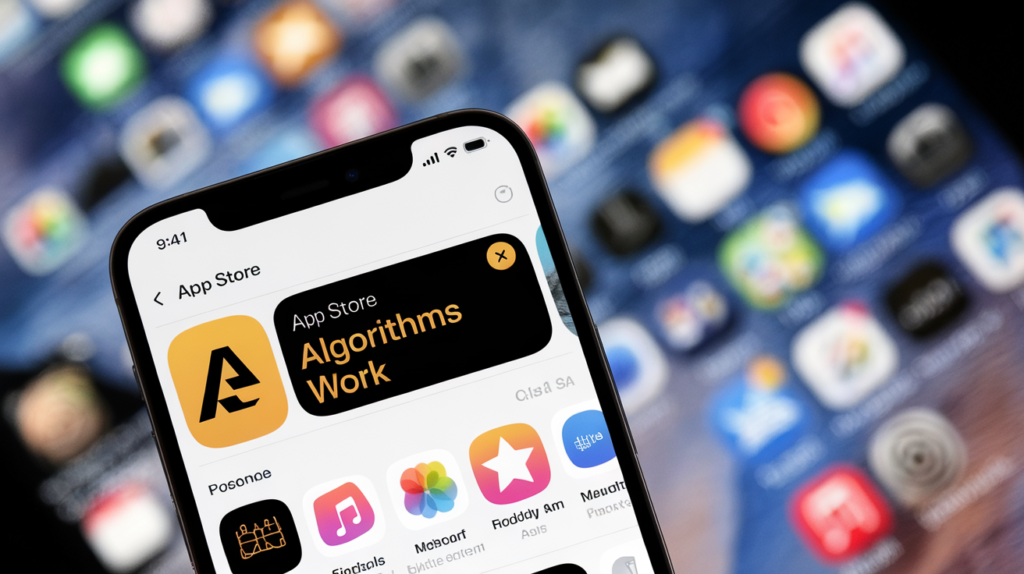
To understand ASO, you must first know how app store search algorithms function. These algorithms determine which apps appear when users search specific keywords.
Factors Influencing App Store Rankings:
- App Title and Subtitle – Containing primary keywords improves search visibility.
- Keyword Field (iOS) or Description (Google Play) – Helps stores understand app relevance.
- User Ratings and Reviews – High ratings build trust and impact rankings.
- Downloads and Engagement Metrics – Popular and frequently used apps rank higher.
- App Updates and Performance – Regular updates show reliability and quality.
Simply put, app stores reward relevance, popularity, and user satisfaction.
Core Elements of App Store Optimization
Let’s break down the major components that drive successful ASO:
1. App Title and Subtitle Optimization
Your app title is the most critical ranking factor. It should include your main keyword naturally while remaining brand-friendly and engaging.
Example:
Calm – Sleep, Meditation, and Relaxation
✅ Tips:
- Keep it short (under 30 characters)
- Include one primary keyword
- Maintain brand clarity
The subtitle (Apple App Store) or short description (Google Play) offers another chance to integrate secondary keywords.
2. Keyword Research for ASO
Just like SEO, keyword research forms the foundation of ASO. You must find what terms users search for to discover apps like yours.
Best Tools for ASO Keyword Research:
- AppTweak
- MobileAction
- Sensor Tower
- ASOdesk
- KeywordTool.io
✅ Tips for Keyword Optimization:
- Target both high-volume and long-tail keywords
- Use localized keywords for different markets
- Avoid keyword stuffing (it hurts credibility)
3. App Description Optimization
Your app description should be clear, persuasive, and keyword-rich without sounding robotic. It’s your pitch to users.
Structure for Effective Descriptions:
- Opening Line: Hook the reader and include the focus keyword.
- Key Features: Use bullet points for readability.
- Benefits: Explain what makes your app unique.
- Call to Action (CTA): Encourage downloads.
Example CTA:
“Download now to start your journey to better focus and productivity!”
4. Icon and Visual Optimization
Visuals play a massive role in conversion. Users often decide whether to tap or scroll past based on app icons, screenshots, and videos.
✅ Visual ASO Checklist:
- App Icon: Clean, recognizable, and on-brand.
- Screenshots: Highlight top features and benefits.
- Preview Video: Showcase real user experience.
- Consistency: Match your visuals with your brand identity.
Studies show that apps with high-quality visuals can increase downloads by up to 35%.
5. Ratings, Reviews, and User Feedback
User reviews influence both app ranking and conversion. A 4.5+ star rating can dramatically boost credibility.
Ways to Improve Ratings & Reviews:
- Encourage happy users to leave reviews
- Respond promptly to negative feedback
- Fix bugs and address common complaints
- Use in-app prompts wisely
Building trust through user satisfaction is one of the strongest ASO strategies you can implement.
6. Localization and Global ASO
If your app targets users worldwide, localization is essential. Translating metadata, screenshots, and descriptions into local languages enhances relevance and downloads.
Example: If you have a fitness app, targeting “Weight Loss” in English-speaking countries but using “Perte de Poids” in French markets can boost visibility by 50% or more.
✅ Localization Elements:
- App Title
- Description
- Screenshots
- Keywords
- Reviews
Localized apps perform significantly better in regional markets.
7. A/B Testing and Conversion Rate Optimization
ASO doesn’t end after launch. Continuous A/B testing helps identify which visuals or text drive better results.
Elements to A/B Test:
- Icons
- Titles and Subtitles
- Screenshots
- Descriptions
For instance, testing two versions of your main screenshot could reveal which one delivers higher install rates.
App Store Optimization for Google Play vs Apple App Store
Although ASO principles are similar, each store has unique factors:
ElementGoogle PlayApple App StoreKeywordsUsed in descriptionSeparate keyword fieldTitle Length30 characters30 charactersDescriptionIndexed for searchNot indexedVisuals8 screenshots, 1 video10 screenshots, 3 videosRatings ImpactHighHigh
Understanding these differences helps tailor your ASO strategy for each platform.
ASO and User Engagement The Retention Factor
Once users download your app, the real challenge is keeping them engaged. App stores monitor retention and usage to assess app quality.
Tips to Boost Engagement:
- Send personalized push notifications
- Offer onboarding tutorials
- Reward loyal users
- Regularly update features
Remember: high engagement = better ranking.
Advanced ASO Strategies for 2025
1. Focus on App Store Intelligence Tools
Use analytics tools to track keyword performance, competitor trends, and conversion data. Regular monitoring ensures you stay ahead.
2. Leverage User-Generated Content
Encourage users to share testimonials, screenshots, or videos. This builds social proof and boosts credibility.
3. Integrate ASO with SEO
Link your app’s landing page on your website and optimize it for web searches. This creates a 360° visibility funnel across platforms.
4. Optimize for Voice Search
With AI assistants like Siri and Google Assistant, optimizing for voice-based app queries is the next frontier in ASO.
5. Update Frequently
Regular updates signal active maintenance and quality — improving both visibility and trust.
Common App Store Optimization Mistakes to Avoid
MistakeImpactKeyword stuffingLow trust, poor rankingIgnoring reviewsMissed engagementOutdated visualsReduced conversionNot tracking performanceMissed growth opportunitiesCopying competitorsLack of originality
Avoiding these errors keeps your ASO efforts consistent and effective.
Measuring ASO Success
To know if your ASO is working, track these key performance indicators (KPIs):
✅ Important ASO Metrics:
- App Store Ranking
- Organic Downloads
- Conversion Rate (views → installs)
- Retention Rate
- Review Score Average
- Keyword Performance
Tools like AppFollow, App Annie, and Data.ai can help analyze these metrics effectively.
Internal Linking Suggestions
If this article appears on a digital marketing website, you can internally link to:
- “Mobile Marketing Strategies”
- “SEO vs ASO: What’s the Difference?”
- “Best App Monetization Models”
- “Top Digital Marketing Trends 2025”
FAQs
1. What is the main purpose of App Store Optimization? ASO aims to improve an app’s visibility and ranking in app store search results, helping attract more organic downloads.
2. How long does it take to see ASO results? Typically, you can see noticeable improvements within 3 to 6 weeks, depending on competition and keyword performance.
3. Is ASO better than paid advertising? While paid ads drive quick results, ASO ensures sustainable long-term growth at a lower cost.
4. Do app reviews affect ASO? Yes, reviews and ratings directly influence rankings and conversions, as they signal trust and quality to users and app stores.
5. How often should I update my ASO strategy? Review your ASO performance monthly and make updates based on keyword trends, competitor changes, and app performance data.
Conclusion
In a competitive mobile ecosystem, App Store Optimization isn’t optional — it’s essential. It bridges the gap between a great app and a visible app. By optimizing every element — from your keywords and visuals to user engagement and retention — you create a strong foundation for sustainable growth.
Think of ASO as your app’s silent salesperson, constantly working behind the scenes to attract, engage, and convert users. Whether you’re launching a new app or scaling an existing one, the right ASO strategy can transform your app from hidden to highly discoverable.