
In today’s digital age, technology is evolving faster than ever before, transforming how we interact with the world. Among the most exciting advancements are Augmented Reality (AR) and Virtual Reality (VR). Though often used interchangeably, AR and VR are fundamentally different technologies, each offering unique experiences and applications.
Understanding the difference between AR and VR is essential for tech enthusiasts, businesses, educators, and consumers alike. In this guide, we’ll dive deep into these technologies, their benefits, applications, and how they are shaping the future.
What is Augmented Reality (AR)?
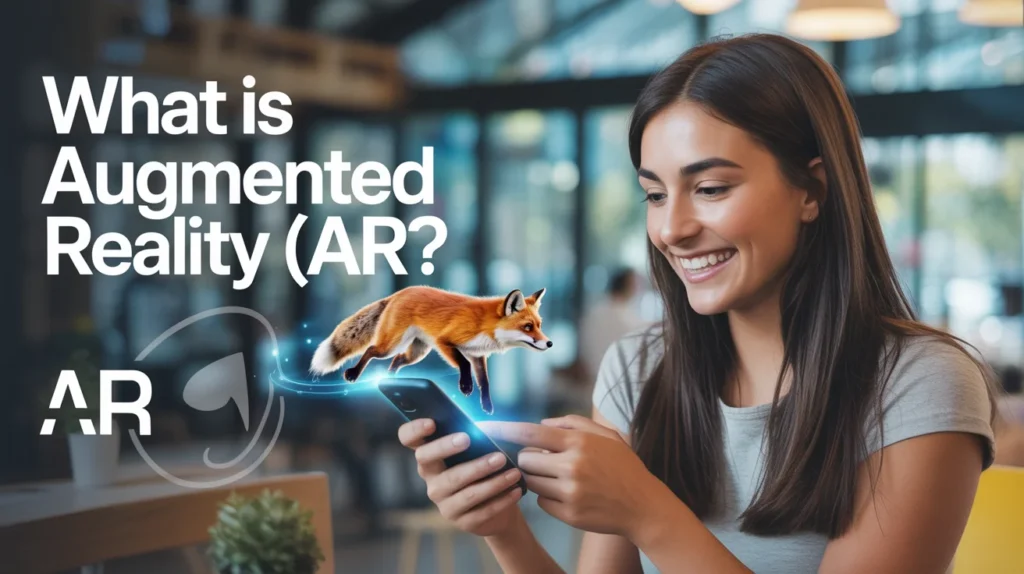
Augmented Reality (AR) is a technology that overlays digital content—such as images, sounds, or other information—onto the real world. Instead of immersing you entirely in a virtual environment, AR enhances your perception of the real world by adding virtual elements.
Key Features of AR
- Real-world integration: AR blends digital content with physical surroundings.
- Accessibility: AR can be accessed via smartphones, tablets, and AR glasses.
- Interactivity: Users can interact with virtual objects while remaining aware of their environment.
Popular Examples of AR
- Snapchat Filters: Fun facial filters that augment reality in real-time.
- Pokemon Go: Integrates virtual creatures into real-world locations.
- IKEA Place App: Allows users to visualize furniture in their homes before purchase.
Internal Linking Suggestion: You can link “Augmented Reality (AR)” to a detailed article about AR technology to enhance SEO.
What is Virtual Reality (VR)?
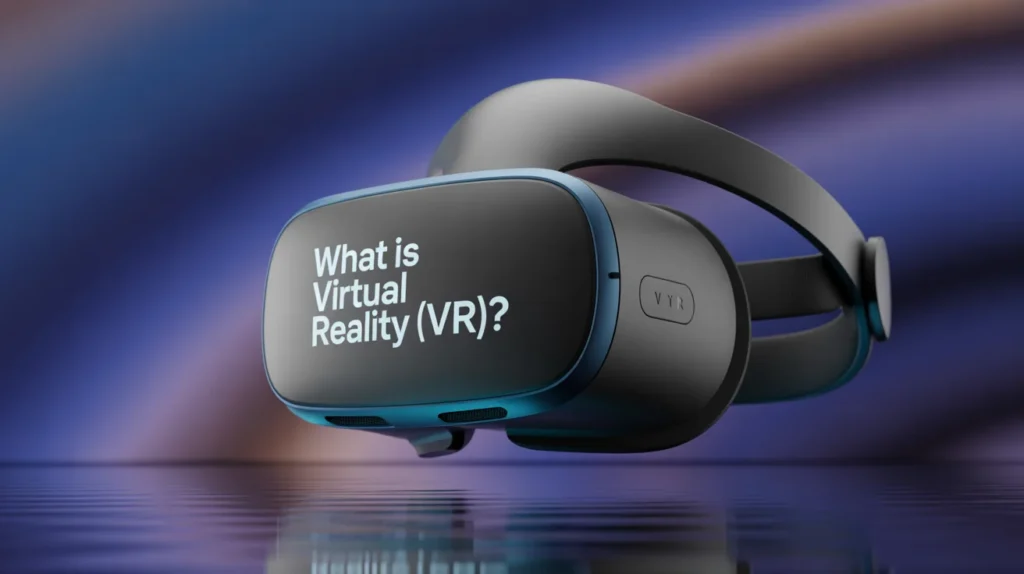
Virtual Reality (VR), on the other hand, is a fully immersive digital experience that replaces the real world with a simulated environment. VR requires specialized hardware, such as VR headsets, to transport users into a 3D virtual space.
Key Features of VR
- Full immersion: VR completely isolates the user from the physical environment.
- High interactivity: Users can navigate and interact within the virtual world.
- Sensory experiences: Advanced VR can incorporate sound, motion, and even haptic feedback for realistic simulations.
Popular Examples of VR
- Oculus Quest 2: A leading VR headset for gaming and virtual experiences.
- VR Training Simulations: Used in aviation, healthcare, and military training.
- Virtual Tours: Museums, real estate, and travel experiences often employ VR to offer immersive tours.
Internal Linking Suggestion: Link “Virtual Reality (VR)” to a guide on VR technologies or VR gaming experiences.
AR vs VR: Key Differences
To understand the difference between AR and VR, let’s break down their core distinctions in a clear table:
FeatureAugmented Reality (AR)Virtual Reality (VR)EnvironmentEnhances real worldReplaces real worldHardwareSmartphones, AR glassesVR headsets, motion sensorsImmersionPartialFullInteractionCombines real & digitalFully digitalCostGenerally lowerHigher due to hardwareApplicationsRetail, education, social mediaGaming, training, simulations
Quick Insights
- AR supplements reality, while VR replaces it.
- AR is often mobile-friendly; VR requires dedicated equipment.
- Both technologies offer unique advantages for businesses and consumers depending on the use case.
How AR and VR are Used in Various Industries
1. Education
- AR: Interactive textbooks, 3D anatomical models, and language learning apps that overlay visuals on real-world environments.
- VR: Fully immersive classrooms, virtual field trips, and simulation-based learning for complex subjects.
2. Healthcare
- AR: Assists surgeons with overlaying patient data during procedures, enhancing precision.
- VR: Provides pain management therapies, mental health treatments, and medical training simulations.
3. Retail and E-Commerce
- AR: Lets customers visualize products in their homes, try on virtual clothing, or see product demonstrations.
- VR: Virtual stores and immersive shopping experiences create an engaging environment for consumers.
4. Gaming and Entertainment
- AR: Mobile games that integrate with the real world.
- VR: Fully immersive games that place players in interactive 3D worlds.
5. Real Estate
- AR: Helps clients see furniture placement or architectural changes in existing spaces.
- VR: Offers virtual property tours without physical travel.
Pros and Cons of AR and VR
Understanding the benefits and limitations can help decide which technology suits your needs:
AR Advantages
- Easy access through smartphones
- Enhances real-world experience
- Cost-effective for businesses
AR Limitations
- Limited immersion
- Dependent on device capability
VR Advantages
- Full immersion for a highly engaging experience
- Effective for training and simulations
- Can create entirely new worlds
VR Limitations
- Expensive hardware
- Can cause motion sickness in some users
- Limited portability
AR vs VR: Future Trends
AR Trends
- Wearable AR devices: Smart glasses becoming more mainstream.
- AI integration: Personalized AR experiences using AI-driven recommendations.
- AR advertising: Businesses increasingly adopting AR campaigns for engagement.
VR Trends
- Metaverse development: VR at the core of virtual social platforms.
- VR collaboration tools: Remote work enhanced by immersive meeting spaces.
- Haptic technology: Enhances realism through touch feedback.
Pro Tip: Combining AR and VR, known as Mixed Reality (MR), is emerging as a powerful trend that offers both immersion and real-world integration.
AR vs VR: User Experience Comparison
FactorAR ExperienceVR ExperienceEngagementEnhances realityFully immersivePhysical movementLimitedExtensiveSocial interactionCan include others in real-worldPrimarily virtual interactionLearningInteractive visual aidsSimulation-based learningEntertainmentCasual, mobile-friendlyDeep, time-intensive
AR and VR in Business Strategy
Businesses are leveraging AR and VR for a competitive edge:
- Marketing and Advertising: Virtual try-ons, interactive campaigns, and immersive brand experiences.
- Training and Development: Simulations reduce risk and improve skill acquisition.
- Product Design and Testing: AR prototypes and VR simulations allow efficient testing before production.
- Customer Engagement: Enhanced experiences increase brand loyalty and conversion rates.
Internal Linking Suggestion: Link “AR and VR in Business Strategy” to a detailed article on emerging tech in business.
Challenges and Considerations
While both technologies are promising, they come with challenges:
- High cost: VR devices and AR smart glasses can be expensive.
- Technical limitations: Battery life, processing power, and software integration.
- User adaptation: Some users may experience motion sickness or discomfort with VR.
- Content creation: AR and VR experiences require specialized development skills.
AR vs VR: Which One Should You Choose?
Choosing between AR and VR depends on your objectives:
- For enhanced real-world interactions: AR is the better choice.
- For fully immersive experiences: VR offers unmatched engagement.
- For businesses: Consider your target audience, budget, and desired level of immersion.
Quick Tip: Start with AR for mobile-friendly engagement and gradually invest in VR for deeper experiences.
FAQs About AR and VR
1. What is the main difference between AR and VR? AR overlays digital content on the real world, while VR immerses you in a completely virtual environment.
2. Can AR and VR be used together? Yes, combining both is called Mixed Reality (MR), providing both real-world interaction and immersive experiences.
3. Which is more expensive, AR or VR? VR generally requires more costly hardware, while AR can often be accessed through smartphones or tablets.
4. Is VR suitable for education? Absolutely! VR offers immersive simulations, virtual classrooms, and interactive training for effective learning.
5. What industries benefit most from AR and VR? Healthcare, education, gaming, retail, real estate, and marketing are among the top industries leveraging these technologies.
Conclusion
In summary, understanding the difference between AR and VR is crucial in today’s technology-driven world. AR enriches reality, offering accessible and interactive experiences, while VR transports users into fully immersive digital worlds. Both technologies are transforming industries, from education and healthcare to gaming and marketing. As AR and VR continue to evolve, businesses and consumers alike can harness their potential to create engaging, innovative, and transformative experiences.
Investing in the right technology—whether AR, VR, or a combination of both—can elevate learning, enhance customer engagement, and redefine entertainment in ways that were once unimaginable.