
The effects of internet on people are undeniable — from transforming how we communicate to reshaping our careers, education, and mental health. The internet, once a luxury, has become a necessity in our modern lives. It connects billions of people globally, allowing us to learn, earn, and express ourselves in ways that were once unimaginable. Yet, alongside its many benefits, the internet also brings challenges that impact our social behavior, privacy, and well-being.
In this article, we’ll explore the positive and negative effects of the internet on people, supported by real-world examples, research insights, and practical tips. Whether you’re a student, professional, or casual user, understanding these effects can help you use the internet more wisely and productively.
The Positive Effects of the Internet on People
The internet has revolutionized almost every aspect of human life. Let’s look at its positive impacts that have improved communication, learning, business, and more.
1. Enhanced Communication and Global Connectivity
One of the most profound effects of the internet is how it has transformed communication. With tools like WhatsApp, Zoom, and social media, connecting with friends, family, and colleagues across the world is now instant and effortless.
Key Benefits:
- Real-time communication across borders.
- Access to diverse cultures and communities.
- Growth of online friendships and global collaboration.
📱 Example: A student in Pakistan can easily collaborate with a designer in the UK via online platforms — something nearly impossible before the digital age.
2. Easy Access to Information and Education
The internet has democratized knowledge. Websites like Wikipedia, Khan Academy, and Coursera provide free access to learning resources that were once restricted to elite institutions.
PlatformPurposeAccessibilityCourseraOnline courses from universitiesFree & PaidYouTubeEducational and entertainment videosFreeGoogle ScholarResearch and academic papersFreeKhan AcademySchool-level learningFree
Benefits for Learners:
- 24/7 access to information.
- Affordable or free online courses.
- Opportunities for remote learning and skill development.
🎓 Internal Link Suggestion: Link to an article about “Best Online Learning Platforms for Students in 2025.”
3. Digital Transformation in Business
Businesses have evolved dramatically with the rise of e-commerce and digital marketing. From small startups to large corporations, the internet enables companies to reach global audiences.
Positive Business Impacts:
- Growth of e-commerce (e.g., Amazon, Daraz, Shopify).
- Increased opportunities for freelancers and remote workers.
- Rise of digital advertising and brand engagement.
💼 Example: A local craftsman can sell handmade products internationally through Etsy or Instagram — showcasing how the internet empowers entrepreneurship.
4. Improved Access to Health and Fitness Information
The internet has made healthcare information more accessible. People can now research symptoms, consult doctors online, and use mobile health apps to track their fitness.
Examples of Health Benefits:
- Telemedicine and virtual consultations.
- Online mental health therapy sessions.
- Fitness trackers and mobile health apps.
🏥 Tip: Always verify health information from trusted medical websites like WebMD or WHO to avoid misinformation.
5. Entertainment and Creativity
From Netflix and YouTube to TikTok and Spotify, entertainment is just a click away. The internet gives creators a platform to showcase their talents to a global audience.
Creative Advantages:
- Easy content sharing (music, videos, art).
- Opportunities for influencers and digital creators.
- Access to diverse cultural entertainment.
🎬 Example: A filmmaker can upload short films to YouTube and gain millions of views without needing a traditional studio.
The Negative Effects of the Internet on People
Despite its immense benefits, the internet also has downsides that affect mental health, social behavior, and privacy.
1. Internet Addiction and Screen Time Issues
Spending excessive time online can lead to internet addiction, especially among teenagers. Scrolling endlessly on social media or binge-watching shows can affect sleep, focus, and productivity.
ActivityAverage Daily Time (Global)Potential EffectSocial Media2–3 hoursDecreased productivityVideo Streaming1–2 hoursEye strain, procrastinationGaming1–5 hoursAddiction, aggressionOnline Shopping30–60 minutesImpulse spending
🕒 Tip: Use “screen time limit” apps or the Pomodoro technique to maintain a healthy balance.
2. Privacy and Security Risks
The more we use the internet, the more data we share — often without realizing it. Cybercriminals exploit this by stealing personal information, leading to identity theft, fraud, and data breaches.
Common Internet Security Threats:
- Phishing emails.
- Malware and ransomware attacks.
- Unauthorized data tracking.
🔒 Advice: Always use strong passwords, enable two-factor authentication, and avoid clicking suspicious links.
3. Mental Health Impacts
The internet, especially social media, plays a major role in shaping self-image and mental well-being. Comparing oneself to others’ “highlight reels” can lead to anxiety, depression, and low self-esteem.
Research Insight: Studies show that heavy social media users are 30% more likely to experience symptoms of anxiety and loneliness.
Ways to Cope:
- Limit social media time.
- Follow uplifting and educational content.
- Engage more in offline activities.
🧠 Internal Link Suggestion: Link to an article like “How to Maintain Mental Health in the Digital Era.”
4. Spread of Misinformation
With the freedom to publish comes the risk of misinformation. False news, rumors, and conspiracy theories can spread rapidly, influencing opinions and causing confusion.
Examples of Misinformation Impact:
- Health-related myths (especially during pandemics).
- Political propaganda.
- Financial scams and hoaxes.
📢 Tip: Always verify news from credible sources before sharing.
5. Social Isolation and Reduced Human Interaction
Ironically, while the internet connects people virtually, it can also lead to social isolation. Many users spend more time online than engaging face-to-face.
Signs of Digital Isolation:
- Preferring online chats over in-person meetings.
- Feeling lonely despite constant online presence.
- Reduced participation in physical activities.
👥 Advice: Balance your online and offline life by spending time with family, friends, and nature.
Balanced View The Internet’s Dual Nature
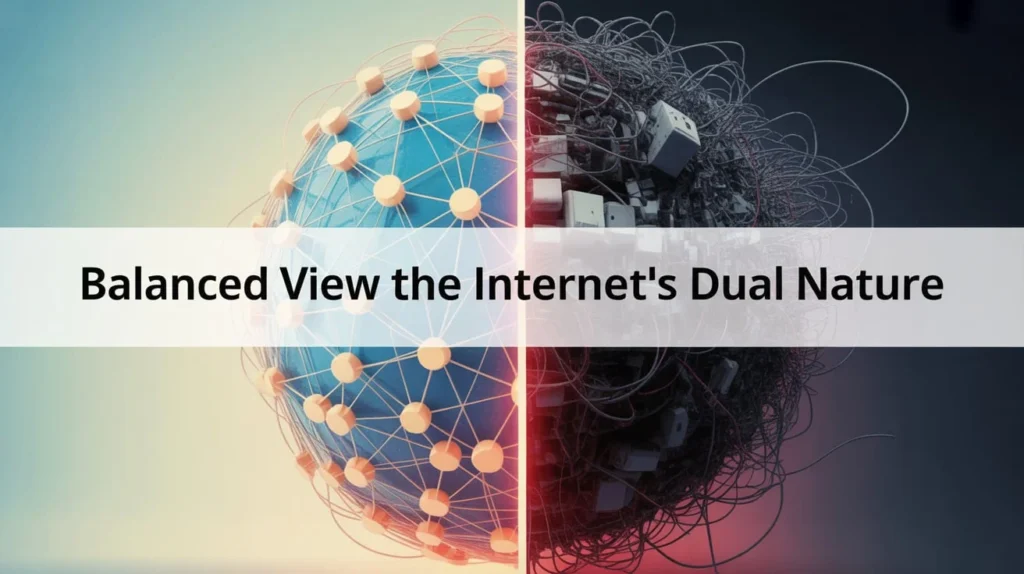
Positive EffectsNegative EffectsInstant global communicationInternet addictionAccess to educationPrivacy concernsBusiness growthCybercrimeEntertainment and creativityMental health issuesMedical accessibilityMisinformation spread
The effects of internet on people depend largely on how it’s used. A mindful, balanced approach can maximize benefits while minimizing harm.
How to Use the Internet Wisely
To harness the internet’s power effectively, consider these smart usage practices:
1. Set Digital Boundaries
- Limit social media time to 1–2 hours daily.
- Avoid using devices 1 hour before bed.
2. Strengthen Online Security
- Use a VPN when browsing on public Wi-Fi.
- Regularly update passwords and software.
3. Consume Verified Information
- Rely on credible news sources.
- Cross-check facts before believing or sharing.
4. Prioritize Real-life Connections
- Engage in hobbies offline.
- Plan meetups with friends instead of only chatting online.
5. Learn Continuously
- Take advantage of online learning but balance it with practical application.
🌐 Internal Link Suggestion: Link to a related post like “Top 10 Tips to Stay Safe and Smart Online.”
The Future Impact of the Internet on People
Looking ahead, the internet’s influence will continue to grow — with emerging technologies like AI, IoT, and the Metaverse shaping how humans interact, work, and learn.
Upcoming Trends:
- AI-powered personalization – Smarter search, education, and healthcare.
- Virtual Reality (VR) – Immersive learning and entertainment.
- Remote Work Revolution – More global collaboration and freelancing.
- Blockchain Technology – Safer online transactions and data ownership.
🌍 The key challenge will be ensuring that technological growth remains ethical, inclusive, and sustainable.
Frequently Asked Questions (FAQs)
1. What are the main effects of the internet on people?
The main effects include better communication, access to education, business growth, entertainment, and connectivity. However, it can also lead to addiction, privacy risks, and mental health issues.
2. How does the internet affect students?
It helps students with learning resources, online classes, and global exposure but can distract them through social media or gaming if not used responsibly.
3. Can the internet affect mental health?
Yes. Overuse of the internet, especially social media, can lead to anxiety, depression, and loneliness due to unrealistic comparisons and constant online pressure.
4. What is the positive role of the internet in business?
The internet supports marketing, remote work, e-commerce, and brand visibility — giving small businesses access to global markets.
5. How can we reduce the negative effects of the internet?
By limiting screen time, protecting online privacy, consuming verified content, and balancing online activities with real-life interactions.
Conclusion
The effects of internet on people are vast and far-reaching — shaping our relationships, knowledge, and future. The internet is neither purely good nor bad; it’s a powerful tool that mirrors how we use it. By embracing its benefits while staying aware of its pitfalls, we can make it a source of growth, creativity, and global connection rather than dependency.